
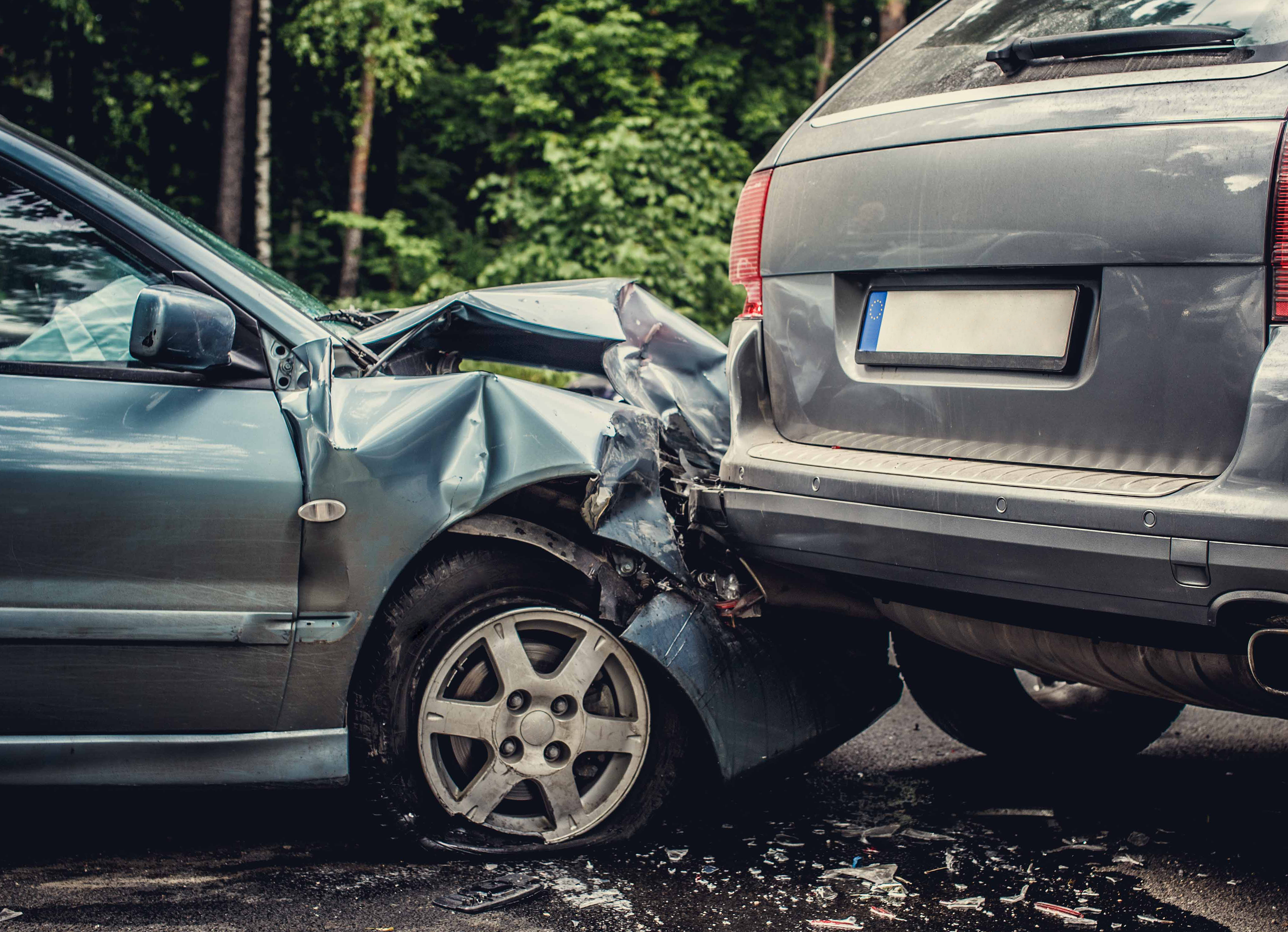
What To Do After an Accident With an Uninsured Driver
Getting into a crash is stressful enough, but the situation becomes even more complicated when the other driver does not have automobile liability insurance. While most states, including New Jersey, require such liability coverage, many drivers, unfortunately, still operate their vehicles without it. If you are involved in a collision with an uninsured driver, there are still ways to pursue compensation—especially when you act quickly and understand your options.
Quick Summary
An accident involving an uninsured driver can make the claims process more challenging, but several coverage options may still help you recover losses. Uninsured motorist insurance, collision coverage, and personal injury protection can all play important roles depending on your policy. Taking immediate steps—such as contacting law enforcement, gathering evidence, and notifying your insurer—will strengthen your claim and help protect your financial interests.
Take Immediate Safety and Reporting Steps
Right after the accident, your first priority should be safety. Check yourself and others for injuries and call emergency services if needed. Once the scene is safe, contact local law enforcement to create an official accident report. This documentation is essential, especially when the other driver has no insurance.
While you wait for officers to arrive, collect as much information as possible. Take photos of the damage, the wider accident scene, and any visible injuries. Exchange contact information and vehicle details with the other driver, even if they are uninsured. These early steps ensure you have accurate records for any insurance claim or legal action that follows.
Notify Your Insurance Company Promptly
Report the accident to your insurer as soon as possible. Most states operate under an at-fault system, which means the driver responsible for the crash is expected to cover the resulting damages. Your insurance company will begin evaluating fault, reviewing your policy, and advising you on available coverage options.
Timely reporting helps preserve your rights and allows the insurer to begin their investigation while the details are still fresh.
How Your Insurance Can Help Cover Your Losses
If the uninsured driver is found at fault, your own policy may still provide financial protection. Many policyholders carry uninsured or underinsured motorist (UM/UIM) coverage, which can pay for medical expenses, lost wages, and in some cases, damage to your vehicle. This type of coverage is designed specifically for situations where the at-fault driver lacks adequate insurance.
Your policy may also include collision coverage, which can help pay for repairs regardless of fault. Additionally, personal injury protection (PIP) or medical payments coverage can assist with medical bills. These optional coverages can make a significant difference when you are dealing with an uninsured driver.
However, if you do not have these protections, recovering compensation through your insurer may be limited. Understanding your policy before an accident occurs is the best way to ensure you are prepared for any scenario.
Considering Legal Action Against the Uninsured Driver
Another potential option is filing a lawsuit against the uninsured driver. Legal action may allow you to recover compensation for medical expenses, vehicle repairs, and noneconomic losses such as pain and suffering. This approach can be effective, but only if the driver has assets or income that can be used to pay a settlement or court judgment.
Because this route is complex, consulting with a knowledgeable car accident attorney is an important step. An attorney can evaluate the driver’s financial situation, help gather supporting documentation, and guide you through the legal process to determine whether a lawsuit is worthwhile.
If the Accident Was a Hit-and-Run
Hit-and-run accidents are treated similarly to uninsured motorist collisions, since the other driver cannot be identified or contacted. In most cases, uninsured motorist coverage will apply. You will still need to file a police report and notify your insurance company promptly to begin the claims process.
Providing detailed evidence—photos, witness statements, and any information about the fleeing vehicle—will help support your claim.
Working With an Attorney Can Protect Your Rights
Handling a collision involving an uninsured driver can be overwhelming, especially when medical bills and repair costs start to pile up. An experienced attorney can help you communicate with your insurer, understand your policy, and pursue compensation through insurance or legal action when appropriate.
Taking quick steps after the crash, documenting the scene carefully, and seeking professional guidance are key to minimizing financial stress. With the right support, you can navigate the aftermath and work toward a fair recovery.